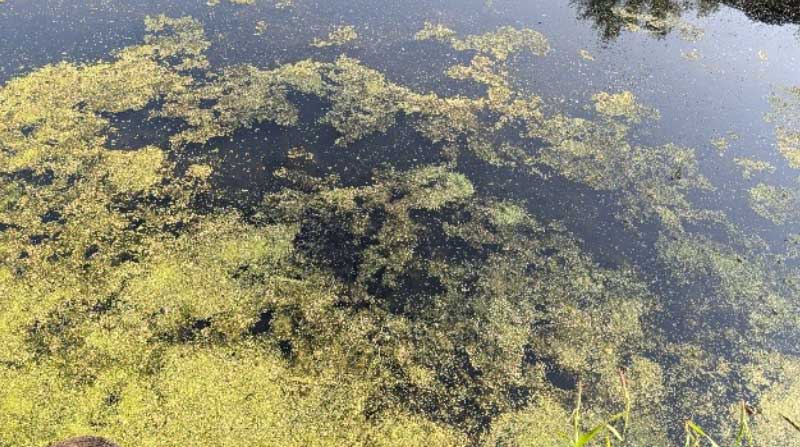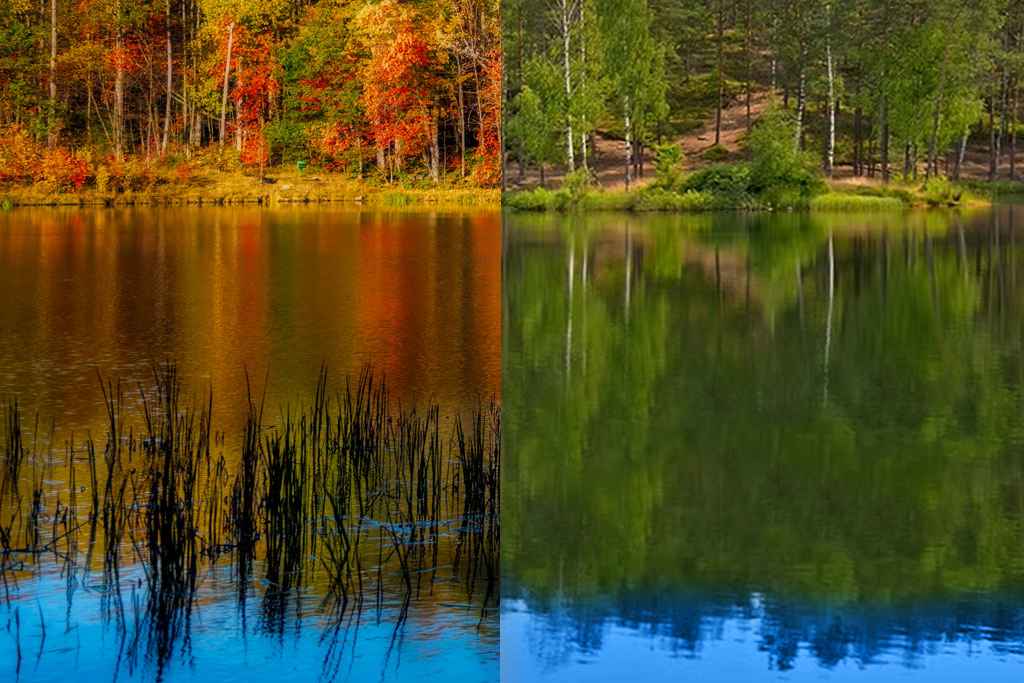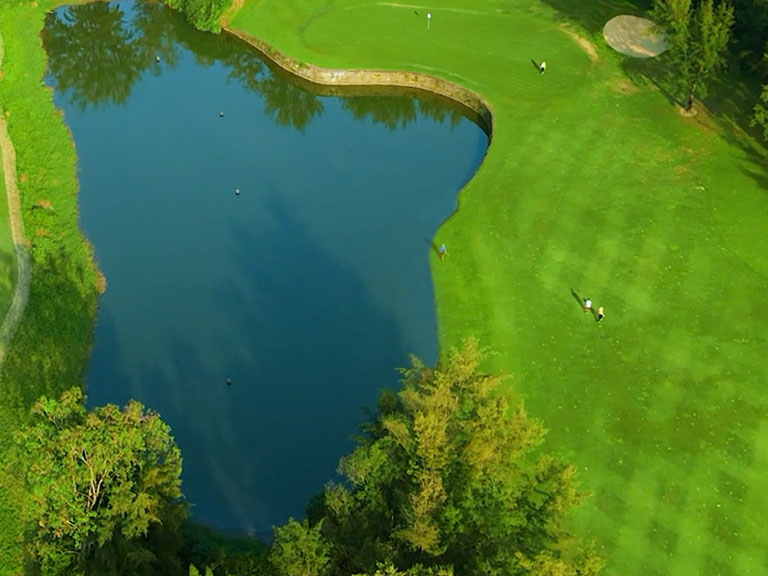
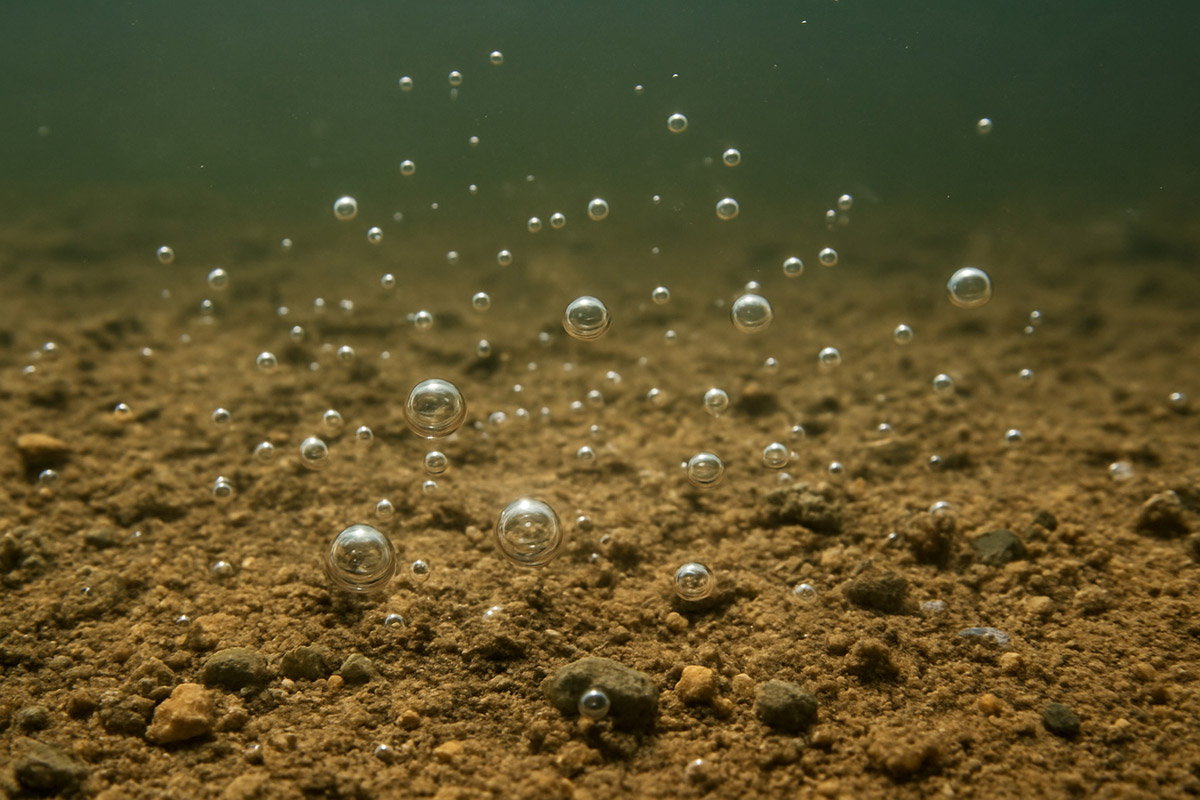
Nutrient deactivation, nutrient inactivation, and nutrient remediation all refer to the same process: a way to improve water quality in lakes and ponds by stopping available phosphorus from feeding harmful algae and unwanted aquatic plants. In this process, natural products, typically aluminum or clay-based materials, are added to the water to “lock up” the phosphorus, making it unavailable to the algae and plants. Without extra phosphorus, these unwanted organisms can’t grow out of control, which helps keep the water cleaner and healthier.
How are nutrient deactivation treatments applied?
How treatments are applied depends on where the phosphorus comes from.
Surface application:
If phosphorus is coming in from outside sources, like rainwater runoff or fertilizers, the treatment is added to the water itself to stop the phosphorus.
Bottom application:
If the phosphorus is coming from the mud at the bottom of the water (which happens when oxygen is low), the treatment is placed directly on the bottom to trap the phosphorus there. No matter which method is used, the water becomes clearer, and harmful algae outbreaks are greatly reduced.
How often are nutrient deactivation treatments needed?
These treatments can keep working for 10 to 20 years if the sources of extra phosphorus—such as runoff, fertilizers, or shoreline erosion—are kept under control.
Next Steps
Are you interested in keeping your lake or pond healthy? Let’s have a conversation!

CASE STUDY:
Large Scale Lake Nutrient Deactivation in Mundelein, Illinois
Recently, ILM Environments employed the largest nutrient deactivation application in the state of Illinois. The community Lake Committee of a 136-acre lake in Mundelein, IL began seeking solutions to reduce their phosphorous load after years of extensive and recurring algae blooms, some of which were suspected of producing toxins. As these blooms negatively affected the health of the lake, as well as recreational opportunities for residents, the lake board decided to proceed with a large-scale EutroSORB G treatment program.
EutroSORB G is a fast-acting, granular nutrient deactivation treatment used to rapidly and permanently lock-up excess phosphorus in lakes and ponds. By neutralizing phosphorus in the water column and preventing its release from bottom sediments, it starves harmful algae blooms and improves water clarity. In coordination with the product manufacturer SePro and the lake community, it was recommended that all areas of the lake with a depth of 6 feet or greater were to be dosed with the product, excluding any areas that may be potentially dredged in the future. This resulted in approximately 60 total treatment acres, making this treatment the largest EutroSORB G treatment completed in Illinois to date.
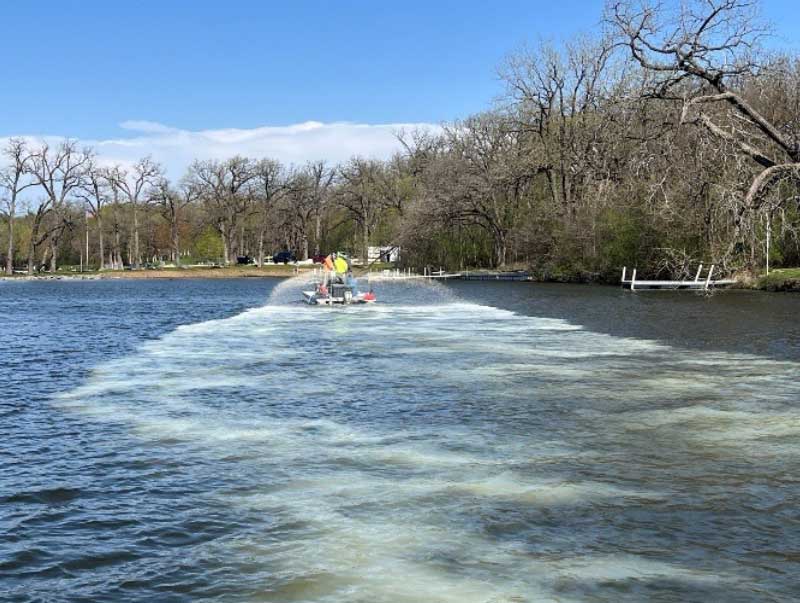
Due to the magnitude of these treatments, ILM designed and constructed a custom application system capable of handling the substantial product volume. Using a modified pontoon platform equipped with specialized spray nozzles, the team successfully delivered 10,000 pounds of EutroSORB G with precision across the designated treatment areas in April. A second treatment of the same scale was applied in mid-May, bringing the total quantity of product applied to 20,000 pounds. This amount of EutroSORB G is designed to inactivate 400 pounds of bioavailable phosphorous.
Sediment fractionation and water quality samples were taken pretreatment, and post-treatment samples will be collected later in the season to quantify the efficacy of the treatment. So far, visual indicators show significant improvement!