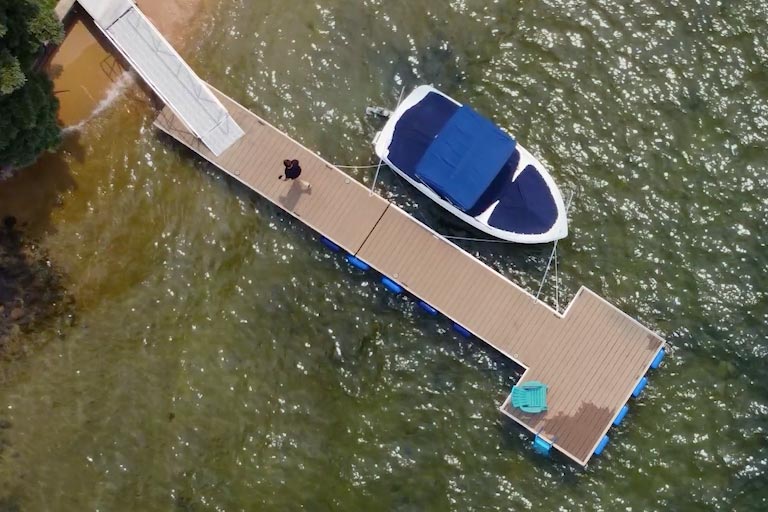
ILM has the quick-response tools to get your dock area and shoreline picture-perfect. Same-day cleanup and ongoing maintenance plans.

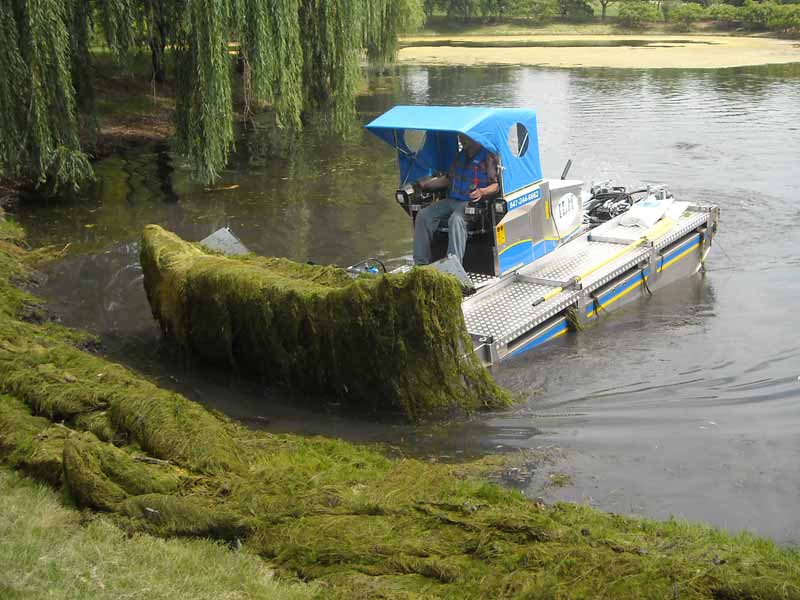
Meet Truxor: ILM’s Everything Machine
read more

ILM has the quick-response tools to get your dock area and shoreline picture-perfect. Same-day cleanup and ongoing maintenance plans.
ILM has the quick-response tools to get your dock area and shoreline picture-perfect. Same-day cleanup and ongoing maintenance plans.
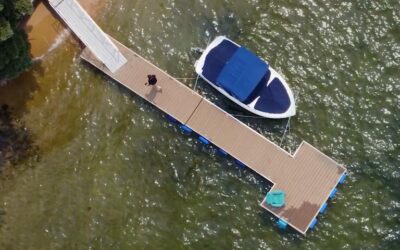
ILM Environments provides full-service Dock Area & Shoreline Maintenance that keeps these areas clean, navigable, and ready to use. As experts in shoreline aquatics, we get asked a lot of questions. Here are five we hear most often.
As experts in lake management, there are many things that clients ask ILM. Here are five of the most frequently asked questions that we get.
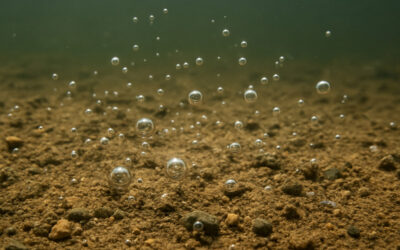
Nutrient deactivation, nutrient inactivation, and nutrient remediation all refer to the same process: a way to improve water quality by stopping available phosphorus from feeding harmful algae and unwanted aquatic plants.

Phosphorous release from the sediment is at its peak in the Autumn months, make it the optimal time for testing.
Plus, doing this testing now allows you to plan and budget for algae prevention in the Spring vs. costly reactive measures once an algal bloom breaks out.
This testing is called Sediment phosphorus fractionation.
ILM answers questions about Water Lilies: Are they bad? How any are good amount, and how to control lilies in your lake or pond.

ILM has solutions for immediate removal of aquatic plants and algae that are choking out your shorelines and docks. Our quick response services will get your docks looking picture perfect!
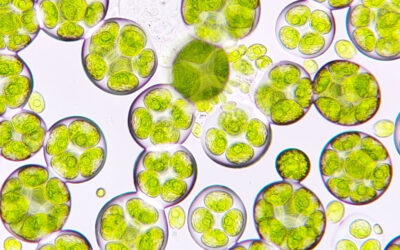
As water temperatures rise, we are starting to see growth in our water bodies. One thing that may be presenting itself is algae. What is Algae? Take a closer look at algae and identify the good the bad, and the ugly of the species that has an effect on all midwest lakes and ponds.
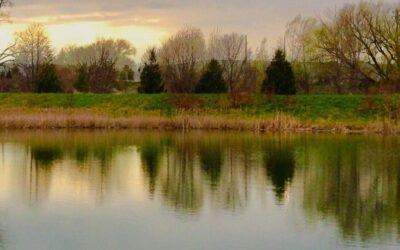
In March, your lake in northeast Illinois and southeast Wisconsin is transitioning from the Winter chill to warmer weather. The water temperature is still cold, limiting significant plant or algae growth. But activity is starting to happen, some that you can’t necessarily see, that will impact how your lake “behaves” come Summer.