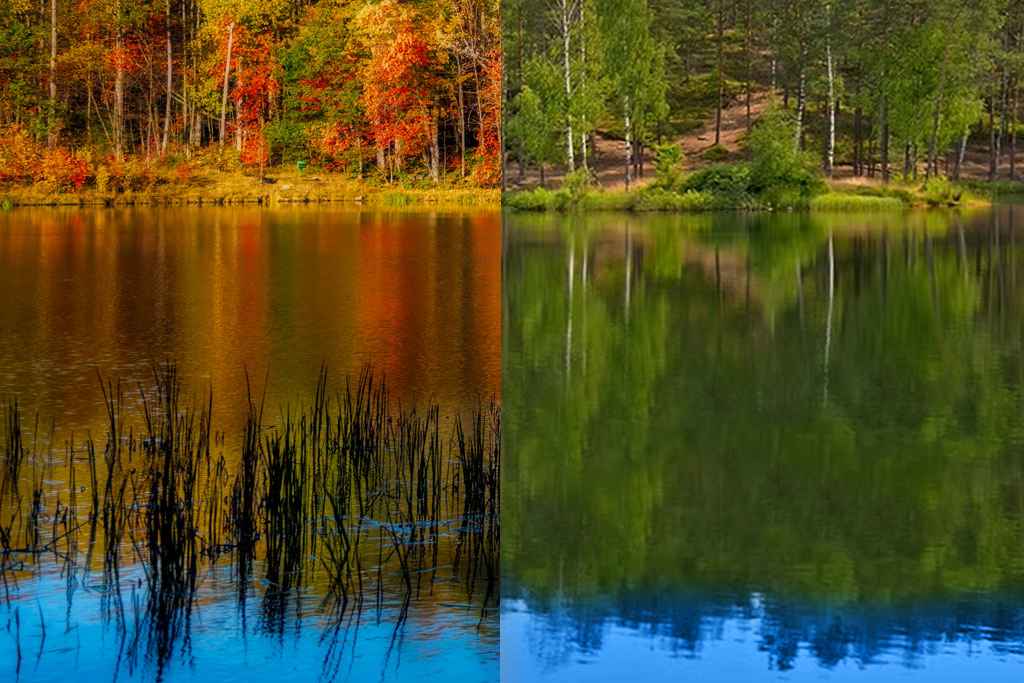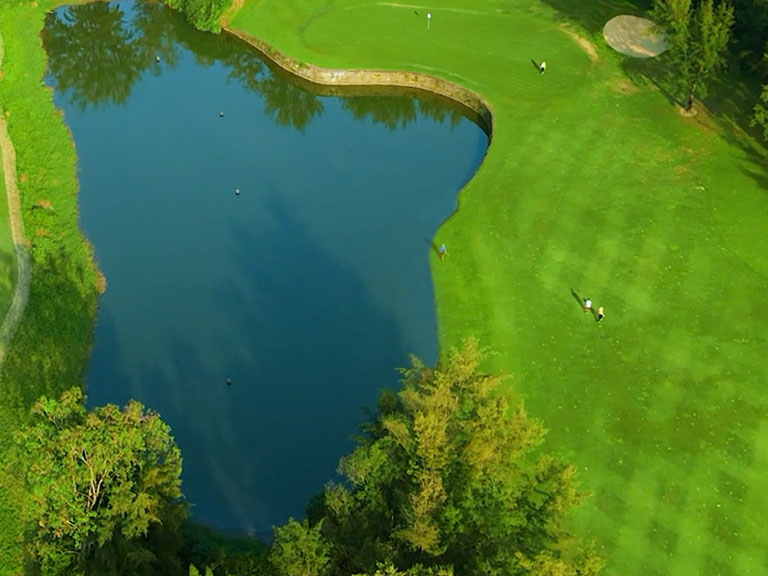

Aside from adding visual appeal to a neighborhood, corporate park, or private property, stormwater ponds are designed to do a series of specific jobs. Stormwater Ponds are engineered systems designed to capture and manage rainwater runoff. These ponds help prevent flooding, reduce erosion, and improve water quality.
As experts in Stormwater pond maintenance & management, there are many queries that clients ask us. Here are the seven most frequently asked questions that we hear.
1. How often does a stormwater pond need to be inspected and maintained?
At a minimum, stormwater ponds in Illinois, Wisconsin and Indiana should receive a formal BMP inspection once per year and again following any significant storm event. Routine maintenance, such as vegetation control and trash removal, is usually performed monthly or quarterly during the growing season to prevent small issues from becoming costly structural failures.
2. Are there specific IEPA or local regulations I need to follow in the Chicago area?
Yes. Most municipalities in Cook, Lake, DuPage, and Kane counties operate under NPDES Phase II MS4 permits, which require property owners to maintain stormwater BMPs (Best Management Practices). Failure to provide documented inspection reports or allowing a pond to fall into disrepair can lead to municipal fines and IEPA violations. ILM can provide the professional documentation needed to prove compliance during audits.
3. How do I know if my stormwater pond needs dredging?
The general rule is that sediment should be removed when the pond has lost 25% to 30% of its original design volume. Signs that your pond is reaching this threshold include:
- Visible sediment islands or “deltas” near inflow pipes.
- Increased frequency of localized flooding during moderate rain.
- A significant increase in algae or invasive weed growth due to shallower, warmer water.
ILM can perform a bathymetric survey to accurately measure sediment depth and determine if dredging is required.
4. Is chemical weed control safe for our community pond?
When applied by ILM’s licensed professionals, aquatic herbicides are safe and effective. However, for communities with sensitive ecological areas or residents who prefer a non-chemical approach, we offer manual removal of plant material. Using a Truxor amphibious machine, plants can be pulled out by the roots and algae can be skimmed from the surface, providing immediate results.
5. Why is invasive species control important for stormwater management?
Invasive plants like Phragmites or Purple Loosestrife grow aggressively and can quickly choke a pond’s outlet structure or emergency spillway. This restricts water flow, increases flood risk, and accelerates sediment buildup. Managing these species is critical to maintaining the hydrological function of the pond as originally engineered.
6. What are the risks of neglecting stormwater pond maintenance?
Neglect leads to three primary risks:
- Liability:
Increased risk of flooding to your property or downstream neighbors. - Financial:
Emergency repairs or dredging often cost 5–10 times more than proactive maintenance. - Regulatory:
Potential fines from local stormwater authorities or the IEPA for non-compliance with permits.
7. What are the most common mistakes property owners make with stormwater pond maintenance?
Several preventable issues can significantly reduce the performance and lifespan of a stormwater pond. The most common include:
- Dumping yard waste or debris into the pond.
Grass clippings, leaves, and branches may seem harmless, but they quickly accumulate at inlets and outlets—clogging the system, restricting water flow, and accelerating sediment buildup. - Overusing fertilizers near the pond.
Excess nutrients from lawn fertilizers wash into the pond during rain events, leading to algae blooms, poor water quality, and increased maintenance costs. - Delaying sediment removal (dredging).
Waiting too long to address sediment buildup reduces pond capacity and puts the entire system at risk. Once a pond loses 25–30% of its design volume, performance declines rapidly and restoration becomes significantly more expensive.